How to Prepare for Headshots: A Complete Checklist for Actors
October 4, 2026
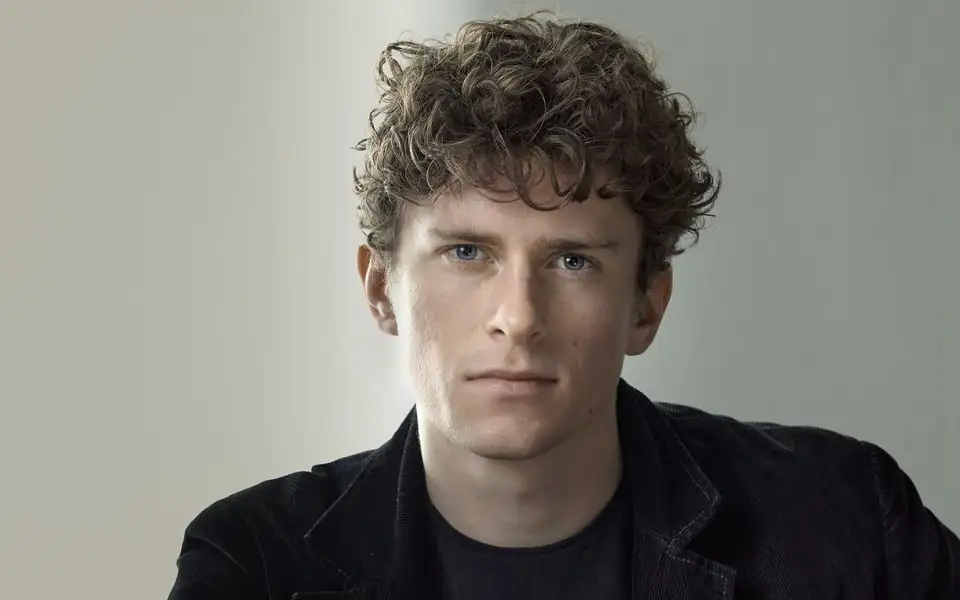
Most of what makes an actor headshot work is decided before anyone picks up a camera. Knowing how to prepare for headshots comes down to a handful of choices made in the weeks ahead: which roles the photos need to sell, who takes them, what goes in the garment bag, and when to book the haircut. The checklist below follows that timeline, from the first conversation with your agent to the moment you pick your selects.
Start with the job the photos have to do
A casting director looks at your headshot for a few seconds and asks one question: could this person walk in for the role? So before booking anything, write down the two or three types you are realistically submitted for. A young parent in a grocery commercial, a detective's partner in a procedural and a lead in a stage drama ask for different energy.
If you have an agent, ask which gaps in your current headshots cost you submissions. Actors without representation can work backwards from the breakdowns they keep answering on casting platforms such as theWorkbook (formerly Casting Workbook), which is widely used in Canada.
One check matters more than the rest. The person in the photo has to be the person who arrives at the audition. Old hair colour, a beard you have since shaved, heavy retouching: any of these makes a casting team do a double take, and not the useful kind.
Choosing a photographer and the questions to ask
Look for someone who shoots actor headshots regularly, not an event photographer who does portraits on the side. Their headshot galleries should show actors who look different from one another, lit for on-screen work rather than corporate profiles. A friend with a good camera can take a pleasant picture, but a professional portrait photographer who works with performers knows what casting expects.
Before paying a deposit, get answers to these:
- Studio, outdoor light, or both? What happens if rain cancels an outdoor photo shoot?
- How long is the headshot session, and how many changes fit into it?
- Which backdrops will be used, and what colours work against them?
- Is a makeup artist or hair stylist included, or booked separately?
- How many retouched images come with the fee, and what does each extra one cost?
- How long until the gallery and final files arrive?
That last answer is the reason to plan ahead. Between the wait for an open date, proofing and retouching, the process can stretch over several weeks, so book well before a showcase or agency meeting.
Two weeks out: wardrobe
Bring more clothes than you think you need and let the photographer help edit them down. Most sessions produce two or three distinct looks, each reading as a different character. A simple test helps: what would you wear to a general audition tomorrow? Build the first change from that answer, then push it towards the commercial and dramatic ends of your range.
- Solid colours over busy patterns, stripes or logos, which pull the eye away from your face.
- Something that contrasts with the backdrop. A black top against a black backdrop merges into it, and the shoulders disappear.
- Necklines that frame the face: crew necks, open collars, a simple jacket.
- Everything pressed and lint-free, even the casual pieces.
- Pieces you feel comfortable sitting in; stiffness shows in the shoulders.
An outfit you already feel confident in usually photographs better than one bought for the occasion that you are still getting used to.
Hair, skin and sleep in the final week
Timing matters more than products here. A short cut looks best about a week after the appointment, once the edges have softened, so avoid getting it done the day before. Longer hair may only need a trim and a plan for each change. Practise that styling at home at least once.
For skin, experienced photographers give consistent advice: moisturize daily, drink plenty of water for several days beforehand, cut back on alcohol and salty food, and keep your lips from drying out. Skip any new facial treatment that week. A reaction is far harder to hide than tired eyes.
Sleep is the one thing a brush and powder cannot fake. Plan two early nights before the photoshoot.
Makeup: lighter than you expect
Headshot makeup aims to even out skin and reduce shine, not to create a character. Many actors need little more than powder and a touch of colour on the lips. Strong contour, lashes and glossy finishes tend to read as theatrical at full size. Hiring a professional is optional; it helps if you are unsure what suits the lighting, but the result should still be you on a good day.
What to bring the night before
- Every planned change on hangers, plus two or three backup tops in different colours
- A neutral layer such as a plain jacket or cardigan
- Brush, hair ties, clips and the styling products you normally use
- Blotting papers, lip balm and your usual cosmetics
- An electric razor for a fresh shave between changes
- Notes from your agent about the roles you are targeting
On the day
Arrive early so you do not feel rushed into the first frames, and use those minutes to tell the photographer what the session is for. That conversation shapes the lighting and the order of changes, which is why it is as important as anything in the bag.
The real work is in your eyes. The strongest headshots show a specific thought behind them. Treat the lens as a scene partner and keep an unspoken line of dialogue in mind for each set of frames. Small changes to the angle of the head and jaw shift the read from approachable to guarded, so vary them between frames instead of locking into one position.
Keep your posture tall but loose, shoulders down and slightly back. If tension creeps in, ask for a short pause, drop your shoulders and take a few slow breaths before the next frames. Nobody expects the first ten minutes to be perfect.
After the shoot: choosing your selects
When the proofing gallery arrives, go back to the goals you wrote down at the start. For each change, pick the headshot where the thought behind your eyes is clearest and you most resemble yourself in the audition room. You've probably picked favourites already. Before settling on them, show a shortlist to your agent or a trusted coach and explain which roles each image is meant for. A public vote on social media tells you which shot people like, not which one fits a breakdown.
Ask for retouching on the final photos that removes temporary blemishes and stray hairs but keeps skin texture, freckles and scars. Then update every casting profile you use, and order prints if your market still asks for them; the usual standard is 8 x 10 inches with your name on the front. Whether you belong to ACTRA, the national union of professional performers in Canada's recorded media, or are still building non-union credits, the same headshot should appear everywhere you submit.
Seen as a whole, how to prepare for headshots is mostly a scheduling question: goals, then the photographer, wardrobe and haircut, then rest. For a first session, count back from the booking date and give each step its own slot in the calendar.