How Often Should Actors Update Headshots? Timing, Triggers and Budget
October 12, 2026
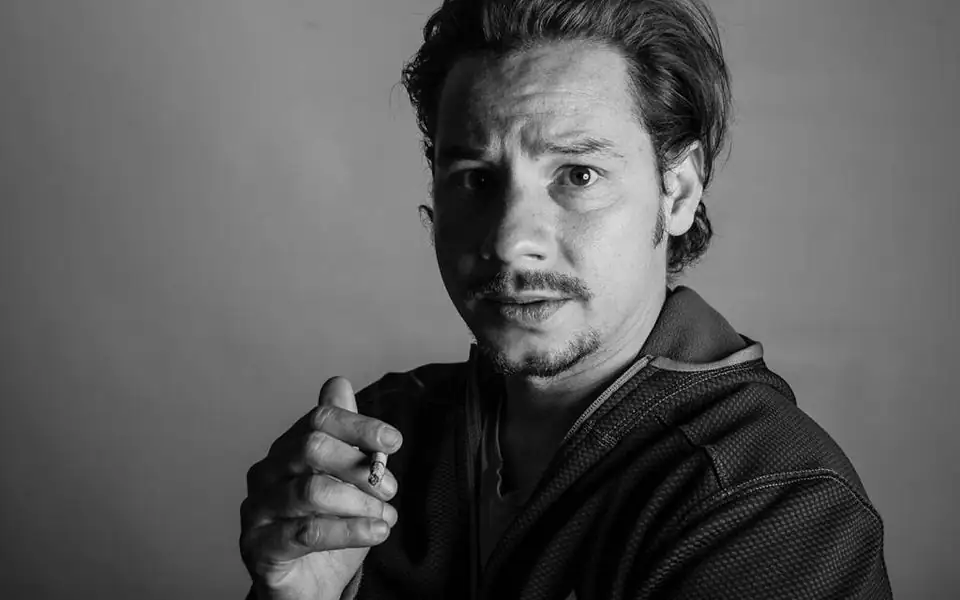
Most casting decisions begin with a thumbnail. Before anyone opens a résumé or presses play on a self-tape, someone scrolling through hundreds of submissions sees a small headshot and decides whether that face fits the breakdown. That is why “how often should actors update headshots?” has a practical answer rather than a fixed date: the photo has to match the person who shows up to the audition. For most adult performers that works out to a new session every one to two years, sooner after a lasting physical change or a change in the roles they are chasing.
How often should actors update headshots? A working timeline
The figure that comes up most often among acting coaches, agents and industry columnists is twelve to twenty-four months for adults. Treat it as a guide, not a rule.
Children sit on a much shorter cycle, and some advisers suggest roughly every six months for young kids because faces, teeth and height change so quickly. Teenagers fall somewhere in between, with growth spurts and new hairstyles setting the pace more than any calendar.
It helps to compare this with the corporate world, where photographers commonly suggest two to three years between professional headshots. Actors refresh more often for a simple reason: for a lawyer or an accountant the headshot decorates a profile, while for an actor it is often the first and only thing that decides whether there will be an audition at all. An old picture on a law firm website costs little. An old headshot on a casting profile can quietly cost callbacks, even when the actor's work is strong.
The calendar still needs common sense. A performer whose face has barely changed and whose current shot keeps getting them seen can reasonably stretch past two years. Someone who cut and coloured their hair last spring may need new headshots within months.
The match test agents and casting directors apply
Casting directors expect the person in the room, or in the self-tape, to resemble the person in the headshot. When the two do not match, the audition slot has gone to someone who may not suit the role, and that can leave a poor impression with an office the actor hopes to see again. Agents feel it too, because they submit from the same online profiles and their credibility rides on what those profiles show.
Self-taping has made the gap easier to spot. Anyone reviewing a tape can now compare the headshot with a slate recorded last week, side by side, in seconds.
A simple way to run the check yourself: watch your most recent self-tape with the sound off, pause on a neutral frame recorded in ordinary room lighting, and then look at your headshot at the same size. Hair length, weight in the face, skin and the general sense of age should all read the same. If the tape shows a slightly different person, the photo is behind. A second, professional opinion is worth having, but choose people who look at headshots for a living, such as an agent, a coach or a casting assistant, because people close to you know your face too well to see it the way a stranger scrolling through submissions does.
Changes that call for a new session
Not every change in appearance matters on camera. The ones below usually do, especially if they are going to last:
- Hair that changes the outline of the face. Going from shoulder length to a short crop, a hairstyle change that reveals or hides the forehead, a new colour you plan to keep, or deciding to stop covering grey. A drastically changed silhouette around the face is one of the quickest ways for a headshot to stop matching.
- Weight or fitness changes. A shift that shows in the jawline, neck and cheeks alters how old and what type a performer reads, even if the rest of the face is the same.
- Facial hair. A full beard grown or removed for good. Many actors with a beard shoot both versions in one session, which keeps them ready for either kind of breakdown.
- A different age range. When the headshot reads as a university student but the submissions now are for young parents, the image is working against the actor.
- Everyday features. Braces off, new glasses you wear daily, visible dental work or a change in skin that is noticeable at thumbnail size.
Sometimes the face is unchanged and the picture itself has aged. Lighting fashions, retouching habits, backdrop colours and crops shift over the years, and people who review submissions every day notice when a shot carries the style of another period. A headshot that is several years old can read as dated even when the actor has hardly changed, which is a reason to have an agent or photographer look at it with fresh eyes rather than assuming it still works.
Changes that can wait
Actors deal with plenty of changes that are real but short-lived, and paying for new headshots to match them rarely makes sense. A beard grown for one booking, temporary colour for a stage run, or a cut you already intend to grow out all belong here. Keep your agent informed instead: they can flag the current look when a role depends on it, and productions that care about hair often request a recent snapshot anyway.
Timing matters too. Booking a session the week after a dramatic cut usually produces photos of a style you are still getting used to, so it is better to let it settle for a few weeks, learn how to do it yourself, and shoot once it starts to feel like yours. A good photographer will also want to see how you normally wear it.
Before booking a full session, go back through the complete gallery from your last shoot. A frame you passed over might suit a direction you did not have at the time, and photographers often retouch additional images from an existing session. Ask your photographer what that costs, then compare it with the price of a new shoot. When the objection is to the finish rather than the face, for instance skin smoothed too far or a colour grade that runs too warm, a new edit of the same frame can be enough.
Career shifts that justify fresh photos
Appearance is not the only trigger. Several career moments are also good times to update your headshot, even when nothing about the face has changed.
Signing with a new agent is the most common, and many performers update their headshots soon after. Agents often have a clear plan for how they want to market a client and may ask for headshots that support it, whether that means warmer commercial shots, a strong theatrical set, or pictures that lean into a particular type. If the agent asks, it is worth asking back exactly what the current shots are missing, because the answer becomes the guide for the next session.
A move between markets is another. Canada's main production centres, Toronto, Vancouver and Montreal, each have their own mix of film, television, commercial and theatre work, and a performer relocating from one to another may find that local agents favour a different style of shot. The same goes for a shift from background work and student films toward principal roles, which often goes hand in hand with working toward membership in ACTRA, the national union of professional performers working in recorded media in Canada. The work changes, and so does the competition in the submission pile.
Finally, a change of type. An actor who wants to move from romantic leads toward character parts, or from bright commercial work toward darker drama, needs a headshot that sells the new direction. Training can change how someone carries themselves and how they feel on camera, and a picture taken before that growth may undersell it.
Child and teen performers
For young actors, the update cycle is driven by growth. Lost baby teeth, a new haircut before school starts, or a few centimetres of height can change how old a child reads, and breakdowns for children's roles are usually precise about age. Parents of child actors often find that simple, inexpensive headshots taken more frequently serve better than an elaborate shoot that will be out of date by the next school year. The session should feel short and relaxed; a tired child rarely gives a natural expression.
Teenagers present a different challenge, because they can change sharply over a single summer. Running the match test every few months, and asking the agent directly whether the current headshot still fits, keeps a young performer from being submitted with a photo that reads two years younger than they are.
Budgeting for the next refresh
Headshots are a recurring business investment, and for many actors one of the larger costs in their marketing materials. Prices vary widely depending on the photographer, the number of looks and how many retouched images are included, so it is worth comparing a few headshot photographers before deciding. Choosing a photographer who regularly shoots actors matters more than finding the lowest price, because headshot photography for casting follows different conventions from corporate or fashion work, from the lighting to the crop.
A few habits make the cost easier to manage:
- Set money aside each month after a session, so the next refresh is already paid for when it is needed.
- Plan two or three distinct looks in one shoot, such as a commercial and a theatrical version, so a single session covers more types of submissions.
- Avoid booking just before a planned change. If a haircut or a role that requires a different look is coming, shoot afterwards.
- Think about the season. Canadian winters bring wind, cold and dry indoor heat that can leave skin flaky and lips chapped, while a summer tan may fade within weeks. A session that reflects your usual year-round appearance lasts longer.
After the new headshots arrive
Replace the old headshots everywhere at once: online casting profiles, your agency page, your résumé, your personal website and any social media accounts that industry people actually check. Everyone who might look you up should see the same face. Mixing an old shot on one platform with a new one on another undermines the whole point of the update, and outdated files left in a profile can still be submitted by mistake.
Keep the full-resolution originals and the photographer's licence terms in one folder, with the session date in the file name. That small habit makes the next decision easier, because you will know exactly how old each headshot is instead of guessing. Put a reminder in your calendar about a year after the session to run the match test again. If the photo still matches you and is still getting you seen, it can stay.