Natural Light Portrait Photography vs. Studio Strobes: Which Suits Your Portrait?
October 7, 2026
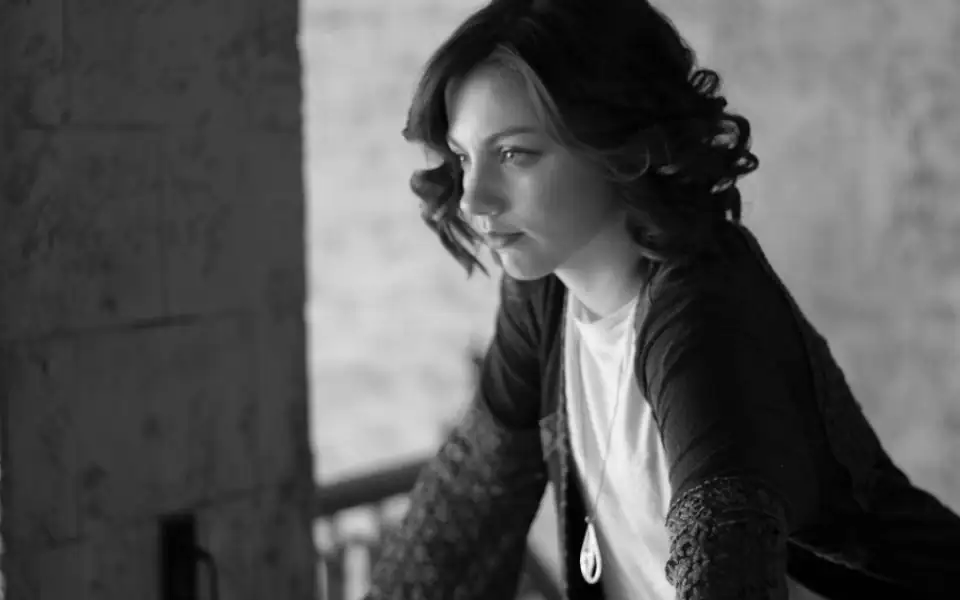
Every sitting starts with a basic decision: sunlight or flash. Natural light portrait photography relies on the sun, a window or open shade, and asks the photographer to work with what the day offers. Studio strobes let the photographer set every variable, at the cost of equipment and setup time. Neither one is better across the board. The right choice depends on the type of portrait, who is in front of the lens and how consistent the results need to be.
What daylight does well
Good daylight is soft, wide and free. On an overcast day, cloud cover diffuses the sun much as a studio modifier would, giving soft light with few harsh shadows under the eyes. A large north-facing window does something similar indoors. Natural lighting from the side shapes the face gently and falls off into deeper shadows on the far side, which gives depth without any modifiers.
Most photography tips on window light come down to distance: moving the sitter closer to the glass has a smoothing effect on skin texture, while stepping back makes the image moodier. Depending on the weather outside, the same window can also turn warmer or cooler through the day.
The other advantage is less technical. Without stands, cables and a flash firing beside the camera, many people relax faster. Young children can move around between one shot and the next, families can walk and talk, and the photographer follows rather than directs. Location also does part of the work, since a park, a kitchen or a studio loft adds context that a plain backdrop cannot.
Where it lets you down
Shooting with natural light means accepting that the sun does not take bookings. Weather changes, clouds move, and the window that glowed at ten in the morning may be flat by two. A sitter booked for a lunch-hour session on a perfect, cloudless July day will get hard overhead sunlight that carves dark shadows into the eye sockets unless the photographer finds shade or adds a reflector.
Season matters more in Canada than in many places. In late December, Toronto gets roughly nine hours of daylight and the sun sets before 5 p.m., so an after-work outdoor session is off the table for a good part of the winter. Golden hour, roughly the hour before sunset or after sunrise, passes quickly, and the blue hour after sunset is shorter still. The National Research Council's sunrise and sunset calculator is a quick way to plan a session around it for any Canadian location.
Indoors, colour is the common problem. Overhead lamps mixed with window light create competing white balances that are hard to correct afterwards, which is why photographers switch off room lights before shooting.
Getting the most from windows and open sky
Most of the craft in natural light portrait photography comes down to direction and timing. A few setups cover most sessions:
- Facing the light source. Even, flattering and easy, with bright catchlights in the eyes. Watch that your own shadow does not fall across the subject.
- Side lighting. Place the subject at about 90 degrees to the sun or window to show shape and bone structure. Add a reflector to open up the shadows if the contrast is too strong.
- Backlight. Put the sun behind the subject for rim light in the hair and a warm, hazy effect. Expose for the face, protect the highlights, and expect to lift detail in editing, so shoot RAW.
- Open shade. On bright days, move into the shadow of a building or trees with the subject facing the open sky. It solves most midday problems.
Reflectors and diffusers extend all of this. A white card or pop-up reflector bounces fill into the face; a translucent diffuser between sun and subject softens direct rays. In a Canadian winter, snow on the ground works as a large natural reflector, which is worth remembering before reaching for gear.
What studio strobes give you
Strobes trade spontaneity for control. The photographer decides the intensity, the softness, the angle and the contrast, and those settings stay identical from the first shot to the last, whatever the weather or time of day. Nobody waits for perfect conditions, and a dark January evening produces the same lighting as a June morning.
That consistency is the main reason a headshot or corporate portrait photographer usually favours strobes. An actor's commercial and dramatic looks, or twenty employees photographed across two days for a company website, need to match. Strobes also make it possible to build a specific look on purpose, from a clean high-key white background to a single bare strobe for a dramatic profile.
Most portrait studios use strobes rather than continuous lights. A flash burst is far more powerful for its size, and constant panels bright enough to compete can feel hot and glaring for the sitter. Continuous LEDs are easier to see and blend, so they suit hybrid photo and video shoots. Outdoors, a battery-powered strobe can also be balanced against the ambient light, either overpowering it to change the look of a scene or adding a touch of fill to the subject’s face.
The trade-offs of flash
Studio portrait photography takes time to learn, and mistakes in flash photography show. Push the power too far and skin turns chalky, with blown highlights on the forehead and nose; set the main light too high and the eye sockets fill with shadow. Artificial lighting that ignores the colour and level of the ambient light also tends to look cold and clinical.
There are practical costs too: lights, stands, modifiers and somewhere to set them up. A strobe set also fixes the subject to one spot, which suits an adult who can follow direction and makes life harder with a toddler who will not stay on the mark.
Side by side
| Natural light | Studio strobes | |
|---|---|---|
| Control | Limited: you choose position and timing | Full: power, angle, softness, contrast |
| Consistency | Changes with weather and hour | Identical across a session or several days |
| Cost | Little beyond a reflector | Lights, modifiers, studio space |
| Mood | Soft, organic, tied to place and season | Anything from clean high-key to hard drama |
| Best for | Families, children, lifestyle, environmental portraits | Headshots, corporate sets, beauty, controlled editorial |
Choosing for your session
If the photos have to match a set already on a website, or shooting has to happen in February at 6 p.m., artificial light is the safer option. If the point is to show a person in their own space, or the subjects are small children, natural light usually wins. Many working portrait photographers do not choose at all: they use a strobe to add fill outside, or shape a large softbox to imitate a window so closely that most viewers would not notice the difference.
When booking, ask which approach the photographer prefers and why, and look at portraits in their gallery made in conditions similar to yours: a winter evening, a small apartment, a family group.