Band Promo Photos and Publicity Shots: A Practical Guide for Musicians and Performers
October 14, 2026
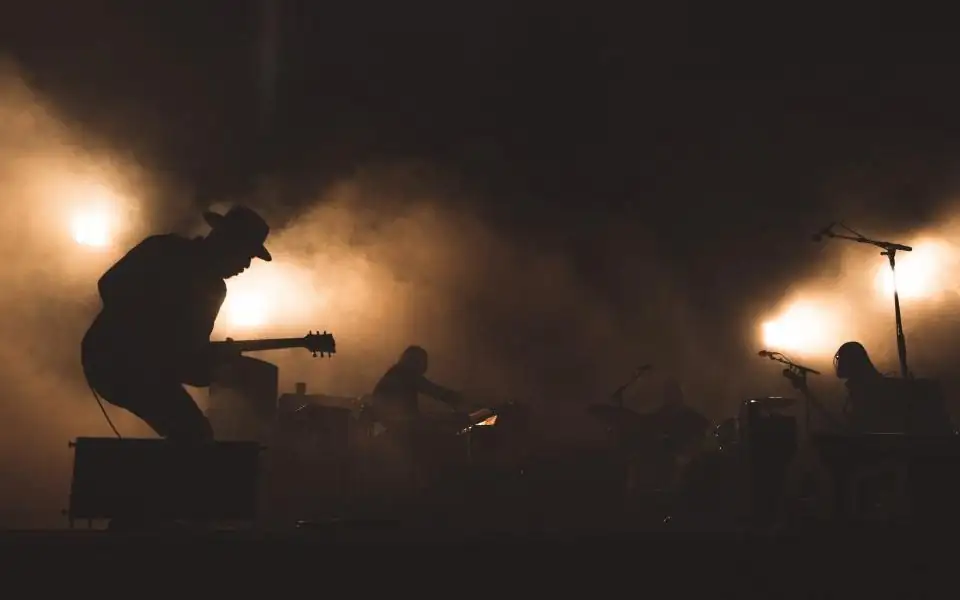
A festival booker skimming applications, a music editor building a weekend listings page and a venue designing a poster all want the same thing from an act: a few sharp images they can use without asking twice. Good band promo photos answer that need before anyone has heard a note. They tell people what kind of night to expect, they make a press kit look finished, and they give every post, playlist pitch and gig announcement a consistent face. The same thinking applies to solo singers, DJs, comedians, dancers and theatre performers, so the tips below follow the whole process from first idea to the folder you send to the press.
What publicity photos actually have to do
Publicity images are working files. They end up in an electronic press kit (EPK), on festival and showcase applications, in music venue calendars, on posters, beside interviews and reviews, on streaming services and across social media. Each of those places crops, shrinks or prints the photo differently, which is why a single favourite frame is never enough for an artist or band.
They also differ from two things they are often confused with. Live band photos show energy on stage and are a welcome extra, but stage lighting and crowd shots make them hard to use at small sizes. Album cover art is a design object tied to one release. Press photos sit between the two: clear, well-lit portraits of the act that a third party can drop into a layout and trust. In the music industry, an editor with a page to fill and little time will usually reach for the band photos that need the least work.
Start with a concept that sounds like the music
Before thinking about cameras or a location, decide what the pictures should say. A useful exercise for musicians is to write five or six words that describe the music, the lyrics and the live show, then collect inspiration that matches those words: album sleeves, film stills, paintings, fashion editorials, other artists' press shots. A shared mood board keeps everyone working from the same idea, and it gives the photographer something concrete to respond to instead of vague requests.
The concept should fit the genre without becoming a costume. A metal band and a folk duo from the Maritimes will rarely want the same mood, and a Montreal electronic act will want something different again, yet none of them needs to spell out its style with obvious symbols. One strong idea, carried through colour, setting and expression, usually reads more clearly than several clever ones. To create a recognizable campaign, let the album artwork, videos and photos share a palette or a recurring detail; visual imagery that repeats is easier to remember.
The location follows from the concept. A rehearsal space, a community hall, a laneway, a frozen lakeshore or a plain studio backdrop can all work if they suit the music and do not overwhelm the people in front of them. Canadian seasons matter here: winter light fades by late afternoon across much of the country, cold makes faces and hands look strained after a while, and an outdoor shoot needs a warm place nearby between set-ups. Check whether a venue or property needs permission for photography before the shoot, not on arrival, and visit the location at the planned time if possible to see how the light falls.
Solo artists, bands and stage performers
The size of the act changes the job. With a solo musician, a publicity session is close to a portrait sitting: expression, eye contact and posture carry the image, and an instrument or a familiar location can add context if it is part of how people know the artist.
A group brings arrangement problems. Four or five people of different heights have to fit portrait, landscape and square crops without someone at the edge being cropped out. Photographers usually build the line-up in layers, mix standing and seated positions, avoid taking every frame from the same height, and keep faces close together so the frame does not fill with empty space. It is worth discussing in advance whether one person, such as the lead singer, should be the visual focus or whether the band members should appear as equals; both are valid, but the decision should be deliberate rather than left to the moment.
For comedians, actors, dancers and other stage performers, publicity images often need to show character or movement. A comedian's publicity photo may lean on expression and a hint of their persona; a dancer's may need full-length frames and enough room to capture a line of the body. Many performers also need a straightforward professional headshot alongside the creative frames, since programs and festival guides often print small square portraits.
Wardrobe, hair and props
Coordinated clothing looks intentional in band photos; identical clothing usually looks like a uniform. A shared colour range or level of formality ties the members together while letting each person keep their own style. Plan at least one stage look and one more everyday outfit, so the set covers both promotional moods.
- Skip other bands' logos and large brand names on clothing. They distract from the act and can make a band photo harder for publications to use.
- Prepare hair and skin for the camera. Blotting papers or a translucent powder keep foreheads matte under lights, and hair should be styled the way it will look on stage for the coming months.
- Use props with restraint. Instruments, a vintage amp or an object tied to the record can add meaning, but anything added only because it happened to be in the room tends to look staged a year later.
Choosing a photographer and agreeing the details
Phones can produce excellent images, and some musicians do shoot their own early press shots. Even so, a professional photographer brings lighting control, posing direction and an outside eye on whether the intended mood is actually coming across. Look for a portfolio that includes photos of bands or performers specifically, because directing several people and lighting several faces at once is a skill of its own within music photography. A music photographer who already shoots local shows will also know the venues and the editors who use these pictures.
On a tight budget, photography students and emerging photographers can be a good match, particularly through college photography programs and local camera clubs. Some will trade time for portfolio material, but nothing is truly free, so offer to cover expenses and credit their work. Whoever you choose, book early, meet or call beforehand to plan the photo shoot, go through the mood board and any specific ideas, and agree in writing on the essentials: how many finished images, how much photo editing, the delivery date and how the photographer should be credited.
Who owns the pictures in Canada
Paying for a shoot does not automatically give the act copyright. Under the Copyright Act, the photographer is generally the first owner of the copyright in a photograph, including a commissioned one, since the 2012 amendments removed the old rule that gave ownership to the person who ordered and paid for it. The Act's exception for commissioned portraits covers private or non-commercial use only, and promoting a band is commercial. In practice that means a written licence that spells out where the images can be used (press, posters, merchandise, advertising), for how long, and whether publications may run them freely when covering the act.
A shot list for a press-ready set
Editors choosing press shots want choice, and each platform needs its own shape, so the shot list for publicity band photos is best written before the session starts. A practical one covers:
- the entire band in at least two set-ups, plus individual portraits of each member;
- close-ups where faces read clearly at thumbnail size, and wider frames that show setting and styling for editorial pages;
- vertical, horizontal and square versions, composed with enough margin to crop safely;
- one or two frames with clean space on one side for a headline, festival logo or tour dates;
- colour versions of everything, even if the act prefers black and white, since many publications favour colour.
Taking photos in all of these formats during the same session costs little extra time, and it saves the awkward moment when an editor asks for a vertical crop that leaves one member half out of the frame.
| Use | Shape to provide | Note |
|---|---|---|
| Social feed posts | 4:5 portrait images or 1:1 square | Close framing works best on small screens |
| Stories and short video covers | 9:16 vertical | Keep faces away from the top and bottom edges |
| Websites and blogs | 16:9 landscape | Often around 1920 × 1080 pixels for headers |
| Posters and print press | Full-resolution original | At least 300 dpi at the printed size |
Sending band promo photos to the press
Choose a tight selection of press photos. Somewhere between five and ten strong, varied images is plenty for most press kits; a folder of a hundred near-duplicates slows editors down and hides the best work. Include at least one image of the whole act, the individual portraits and a couple of the more creative press photos. If live band shots are part of the kit, label them separately from the posed press shots.
Delivery deserves the same care when sending your press kit. JPG is the safest of the common file formats, since almost every editor and layout program accepts it; keep high-quality images at full resolution for print alongside smaller web copies. Put everything in a clearly named shared folder on a service such as Google Drive or Dropbox and send the link rather than heavy email attachments. Name each file with the act's name and the photographer's credit, and add a short text file listing the credit line and who appears in each image, left to right. Editors working to deadline appreciate not having to ask.
When these band promo photos appear on social media or in an online article, the photographer's credit and any agreed watermark should stay intact. It respects the licence and keeps a working relationship with someone the act may want to hire again.
Keeping band press shots current
Most musicians refresh publicity images with each new release cycle or after a line-up change. A new record often brings a new visual direction, and matching the press photos to the artwork, videos and social media posts of that campaign makes the whole release easier to recognize. Between cycles, live photography from recent shows can keep feeds fresh without replacing the main set, and it is the easiest way to create new material without another full session.
If a member leaves or joins, update the kit right away and decide whether to reshoot or simply retire the old band photos. Old group images left in circulation are an easy way for a listing or article to end up showing the wrong people.